Hoe mensen praten en elkaar begrijpen heeft mij altijd gefascineerd. De grote vraag voor mij is hoe we technologie kunnen ontwikkelen die gesproken taal begrijpt: hoe maken we automatische spraakherkenning intelligenter? Naast wat er gezegd wordt, zit er ook heel veel informatie in hoe iets gezegd wordt: aspecten van fysieke, emotionele, en mentale gesteldheid klinken door in de stem, bewust en onbewust. Mijn interesse gaat vooral uit naar het automatisch interpreteren van juist die impliciete informatie met als doel om bijvoorbeeld conversational agents (zoals Siri) gepaster te laten reageren op kinderen of ouderen, of om bijvoorbeeld apps te ontwikkelen die op afstand ondersteuning bieden aan mensen met depressie.
Na mijn studie Taalwetenschap (richting Taal en Spraaktechnologie) in Utrecht, ben ik bij TNO beland en heb ik daar automatische emotieherkenning in spraak onderzocht. Vervolgens ben ik naar Universiteit Twente, Human Media Interaction gegaan waar ik nu nog steeds werk aan de automatische analyse van nonverbale aspecten in spraak communicatie (o.a. lachen, backchanneling) in mens-mens, en mens-machine interactie. Naast het doen van onderzoek geef ik ook onderwijs over speech processing, affective computing, en interaction technology.
Expertises
Computer Science
- Robot
- Detection
- Speech Emotion Recognition
- Annotation
Psychology
- Emotion
- Humans
- Behavior
- Conversation
Organisaties
Mijn onderzoek richt zich vooral op het automatisch analyseren en interpreteren van nonverbale aspecten in spraak communicatie die iets zeggen over hoe het gesprek gaat, en wat iemands fysieke, socio-emotionele, en mentale gesteldheid is. Mijn doel is automatisch spraakherkenning intelligenter te maken. Ik heb o.a. gewerkt aan automatische detectie van lachen, automatische emotie herkenning in spraak, en het automatisch genereren van backchannels voor artificiele agents. Op dit moment begeleid ik een aantal PhD studenten die onderzoek doen naar multimodale emotie expressie bij ouderen, en responsible design voor kind-robot interactie. Ook begeleid ik master studenten in hun onderzoek naar technologie ten behoeve van kwetsbare mensen (bijvoorbeeld mensen met dementie, mensen met meervoudige beperkingen), en mens-robot interactie.
Je kunt meer lezen over mijn onderzoek hier https://www.utwente.nl/en/research/researchers/featured-scientists/truong/index/ en op mijn persoonlijke website http://khiettruong.space/
Publicaties
Onderzoeksprofielen
Verbonden aan opleidingen
Vakken collegejaar 2023/2024
Vakken in het huidig collegejaar worden toegevoegd op het moment dat zij definitief zijn in het Osiris systeem. Daarom kan het zijn dat de lijst nog niet compleet is voor het gehele collegejaar.
Vakken collegejaar 2022/2023
Lopende projecten
Advancing technology for multimodal analysis of emotion expression in dementia
Multimodal analysis of emotional expression in spoken memories of older adults, lifestory books, reminiscence therapy
Children and AI: talking trust and responsible spoken search
CHATTERS
Responsible design in child-robot-media interaction, spoken interaction between child and conversational agent
4TU Humans & Technology: Smart Social Systems and Spaces for Living Well
Social signal processing and affective computing in speech
Voltooide projecten
EU-FP7 SQUIRREL (Clearing Clutter Bit by Bit)
Robot that helps children tidying up, social signal processing in child-robot interaction
COMMIT P3 SENSEI
Exercise intensity detection through voice, running app
EU-FP7 SSPNet (Social Signal Processing Network)
Automatic analysis of laughter, backchannel generation, speech synchrony
In de pers
https://www.bnnvara.nl/wegaanhetmaken/over
https://www.utwente.nl/nieuws/2021/3/961766/ut-in-we-gaan-het-maken-op-tv
https://www.universiteitvannederland.nl/college/kan-een-robot-de-emoties-in-jouw-stem-herkennen
Adres
Universiteit Twente
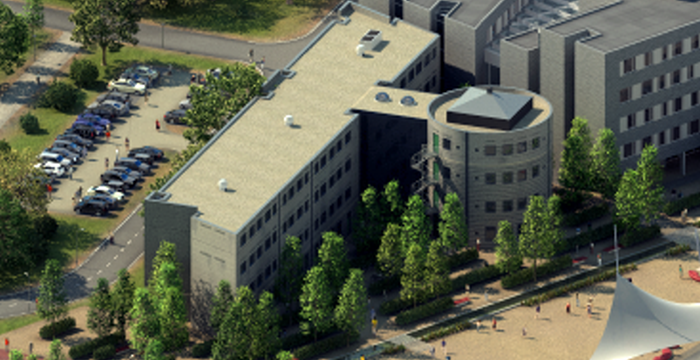
Citadel (gebouwnr. 09), kamer H235
Hallenweg 15
7522 NH Enschede
Universiteit Twente
Citadel H235
Postbus 217
7500 AE Enschede
 Scan de QR-code of